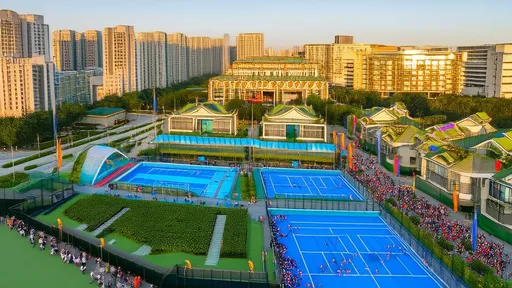
As the summer heat intensifies across China, the nation's cultural and tourism sector is experiencing a remarkable surge, driven by an innovative fusion of sports events and travel experiences. Dubbed the "events + tourism" model, this trend is injecting fresh vitality into consumer spending and redefining how people engage with destinations during peak travel seasons.
Major cities and scenic spots nationwide have reported record-breaking visitor numbers since July, with hotel occupancy rates soaring and local businesses thriving. The convergence of high-profile sporting competitions—from marathons and cycling races to esports tournaments and traditional dragon boat festivals—with tourism offerings has created a powerful magnet for domestic and international travelers alike. This synergy not only extends the duration of visitors' stays but also encourages higher expenditure on accommodation, dining, and entertainment.
Industry analysts observe that the "events + tourism" approach effectively addresses seasonal fluctuations that have long challenged the tourism sector. By anchoring travel around fixed event schedules, destinations can attract consistent crowds throughout the summer months rather than relying solely on holiday peaks. The model has proven particularly successful in secondary cities and rural areas, where specialized events help put lesser-known destinations on the map while distributing economic benefits more evenly across regions.
Consumer behavior patterns reveal that modern travelers increasingly seek immersive, participatory experiences rather than passive sightseeing. The opportunity to combine watching or even participating in sporting events with exploring local culture and attractions resonates strongly with younger demographics. Social media platforms amplify this effect, with participants sharing their integrated experiences online and generating organic promotion for both the events and destinations.
Local governments and tourism boards have been quick to capitalize on this trend, developing comprehensive packages that bundle event registration with accommodation, transportation, and curated local experiences. These packages often include behind-the-scenes access, meetings with athletes, and exclusive cultural activities that aren't available to regular tourists. The added value creates compelling reasons for travelers to choose packaged offerings over arranging components separately.
The economic impact extends beyond immediate tourism revenue. Event-related tourism stimulates infrastructure development, from improved transportation networks to enhanced public spaces and sports facilities. These improvements create lasting benefits for local communities while elevating the overall visitor experience. Additionally, the model fosters partnerships between public and private sectors, with sponsors and brands investing in events to reach captive audiences of engaged travelers.
Sustainability considerations have become integral to the "events + tourism" ecosystem. Organizers increasingly incorporate environmental protections, waste reduction measures, and community benefit programs into event planning. Many events now feature carbon offset options for participants and promote eco-friendly transportation and accommodation choices, aligning with growing consumer preference for responsible tourism practices.
Looking ahead, industry experts predict the "events + tourism" model will continue evolving beyond the summer season. Winter sports events, cultural festivals, and niche competitions are already being developed to maintain year-round engagement. The integration of digital technologies—including virtual reality experiences and enhanced mobile applications—promises to further blur the lines between physical events and travel experiences, potentially creating hybrid offerings that extend reach beyond physical attendees.
The success of this approach reflects broader shifts in consumer preferences toward experiential spending and active participation. As travelers seek more meaningful connections with destinations and communities, the combination of compelling events with rich tourism experiences provides a powerful formula for sustainable growth in the cultural and tourism sector. This summer's boom demonstrates how strategic integration of these elements can unlock new economic potential while creating memorable experiences for visitors.
While the model presents exciting opportunities, challenges remain in balancing commercialization with authentic experiences, managing overcrowding, and ensuring local communities benefit equitably. However, the current trajectory suggests that "events + tourism" will remain a significant force in shaping travel patterns and consumption habits for the foreseeable future, potentially serving as a blueprint for other seasons and markets beyond China's summer tourism peak.
By /Sep 15, 2025
By /Sep 15, 2025

By /Sep 15, 2025

By /Sep 15, 2025
By /Sep 15, 2025
By /Sep 15, 2025

By /Sep 15, 2025

By /Sep 15, 2025
By /Sep 15, 2025
By /Sep 15, 2025

By /Sep 15, 2025
By /Sep 15, 2025

By /Sep 15, 2025

By /Sep 15, 2025
By /Oct 10, 2025

By /Sep 15, 2025

By /Sep 15, 2025
By /Sep 15, 2025
By /Sep 15, 2025

By /Sep 15, 2025
