China's service consumption sector continues to demonstrate remarkable resilience and growth potential, with recent data highlighting particularly strong performance in sports venues and homestay accommodation services. This trend reflects broader shifts in consumer behavior and economic restructuring, as experiences and lifestyle services gain prominence in the national economy.
The sustained release of consumption potential in services isn't occurring in isolation—it's being driven by multiple factors including rising disposable incomes, urbanization, and government policies encouraging domestic consumption. What makes the current expansion noteworthy is how specific segments within the service sector are outperforming others, creating new economic opportunities and employment patterns across the country.
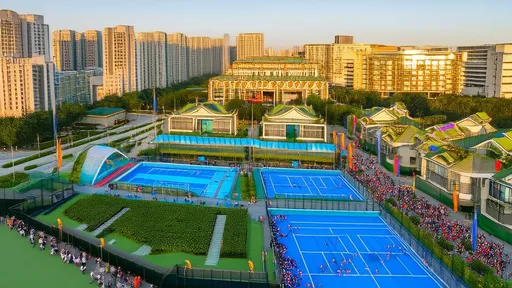
Sports venues have emerged as surprising growth engines in the service economy. From massive Olympic-grade stadiums to community fitness centers, these facilities are seeing unprecedented utilization rates and revenue generation. The phenomenon extends beyond major metropolitan areas, with second and third-tier cities reporting similar upticks in sports facility usage.
This isn't merely about professional sporting events—though those continue to draw significant crowds. The real growth driver appears to be participatory sports and fitness activities. Morning tai chi sessions, evening badminton matches, weekend swimming classes, and corporate sports events have become routine occurrences in cities across China. The cultural shift toward health consciousness, particularly among urban professionals and middle-class families, has transformed sports facilities from occasional venues to regular community hubs.
Municipal governments have contributed to this trend through infrastructure investments and public health campaigns. New sports complexes often incorporate multiple functionality—hosting competitions while serving as everyday fitness centers for residents. This dual-purpose approach has proven economically sustainable, with membership models and hourly rentals providing steady revenue streams beyond occasional major events.
The homestay sector, particularly in rural and scenic areas, has experienced what industry analysts describe as "explosive growth." Unlike traditional hotel chains, these accommodations offer personalized experiences that increasingly appeal to Chinese travelers seeking authenticity and local culture. The rise of homestays represents more than just changing travel preferences—it's creating entirely new economic ecosystems in previously overlooked regions.
Platform economy has been crucial to this transformation. Digital marketplaces connecting homestay providers with travelers have dramatically increased market efficiency and accessibility. Through these platforms, even remote village homes can reach national audiences, while urban professionals can easily book weekend getaways. The rating systems and verified reviews have helped build trust in what was previously an informal sector, encouraging more consumers to experiment with alternative accommodations.
What's particularly interesting is how homestays have become catalysts for rural revitalization. Village homes that might have stood empty are now generating income for local families, creating hospitality jobs, and stimulating demand for local products and experiences. The economic ripple effects extend to food suppliers, tour guides, transportation services, and handicraft producers—effectively creating miniature service economies around popular homestay destinations.
The simultaneous growth of these seemingly unrelated sectors—sports venues and homestays—actually reveals important patterns in China's consumption evolution. Both represent the experience economy's expansion, where consumers increasingly value activities and memories over material possessions. This shift is particularly pronounced among younger demographics who prioritize lifestyle enrichment and social media-worthy experiences.
Government policies have consciously fostered this environment. Initiatives promoting national fitness have raised sports participation, while rural tourism campaigns have directed urban residents toward countryside experiences. The alignment of policy support, market innovation, and changing consumer preferences has created powerful synergies driving service sector growth.
Infrastructure development has been another critical enabler. Improved transportation networks make sports facilities more accessible and rural homestays reachable. Digital payment systems allow seamless transactions across both sectors. And the proliferation of smartphones means information about available badminton court slots or charming homestays is constantly at consumers' fingertips.
The revenue growth in these sectors also reflects sophisticated monetization strategies. Sports facilities now generate income through memberships, equipment rentals, coaching services, and hosting corporate events—far beyond simple venue rentals. Homestays have expanded from basic accommodation to offering curated experiences like cooking classes, farming activities, and cultural workshops that command premium pricing.
This service sector expansion is creating quality employment opportunities that differ from traditional manufacturing jobs. Sports venue management requires specialized skills in operations, marketing, and event coordination. The homestay economy generates needs for hospitality training, property management, and experience design—roles that often offer better working conditions and compensation than agricultural or factory work.
The sustainability of this growth trajectory remains subject to several factors. Consumer preferences could evolve, requiring continuous innovation in service offerings. Economic pressures might affect discretionary spending on experiences and travel. And regulatory frameworks will need to adapt to ensure quality standards and fair competition in these rapidly expanding sectors.
Nevertheless, the current performance suggests structural changes in China's economy are deepening. As services claim a larger share of consumption and employment, the characteristics of economic growth itself transform—becoming more domestic-driven, experience-oriented, and quality-focused. This evolution aligns with broader national goals of rebalancing toward consumption-led growth while developing more sustainable economic patterns.
The impressive revenue growth in sports venues and homestay services ultimately tells a larger story about China's economic transformation. It's not merely about numbers on a spreadsheet—it's about changing lifestyles, new business models, and the continuous discovery of consumption potential that previous economic models had overlooked. How this potential continues to unfold will significantly influence China's economic trajectory in the coming years.

By /Sep 15, 2025
By /Sep 15, 2025

By /Sep 15, 2025

By /Sep 15, 2025

By /Sep 15, 2025

By /Sep 15, 2025

By /Sep 15, 2025

By /Sep 15, 2025

By /Sep 15, 2025

By /Sep 15, 2025

By /Sep 15, 2025
By /Sep 15, 2025

By /Sep 15, 2025

By /Sep 15, 2025

By /Oct 10, 2025

By /Sep 15, 2025

By /Sep 15, 2025

By /Sep 15, 2025

By /Sep 15, 2025

By /Sep 15, 2025
