In a groundbreaking development at the intersection of biotechnology and ophthalmology, researchers have unveiled a remarkable innovation: artificial corneas derived from genetically modified spider silk proteins produced by silkworms. This pioneering approach promises to revolutionize corneal transplantation by offering a sustainable, biocompatible alternative to traditional donor tissues. The breakthrough stems from over a decade of interdisciplinary research combining materials science, genetic engineering, and regenerative medicine.
The human cornea, that delicate transparent layer covering the front of the eye, requires exceptional clarity and precise curvature to properly focus light. When damaged by injury or disease, transplantation becomes necessary - but donor corneas remain scarce globally, with an estimated 12.7 million patients awaiting procedures. Conventional synthetic alternatives often trigger immune rejection or fail to integrate properly with host tissues. This new bioengineered solution addresses these challenges through nature's own design principles.
At the heart of this innovation lies an elegant biological hack: scientists have genetically engineered silkworms to produce spider silk proteins, which are then processed into optically transparent films with extraordinary strength and flexibility. Spider silk has long fascinated materials scientists for its unique combination of toughness and elasticity - properties that make it ideal for supporting delicate ocular tissues. By harnessing silkworms as biological factories, researchers achieve scalable production impossible with actual spiders.
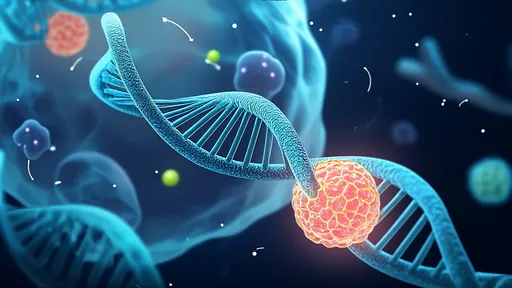
The production process begins with identifying and isolating the specific spider silk genes responsible for creating the strongest, most elastic fibers. These genes are then inserted into silkworm embryos using advanced CRISPR-Cas9 gene-editing techniques. The modified silkworms subsequently spin cocoons containing the hybrid spider-silkworm silk proteins. After harvesting, these cocoons undergo a proprietary purification process that removes pigments and other contaminants while preserving the proteins' structural integrity.
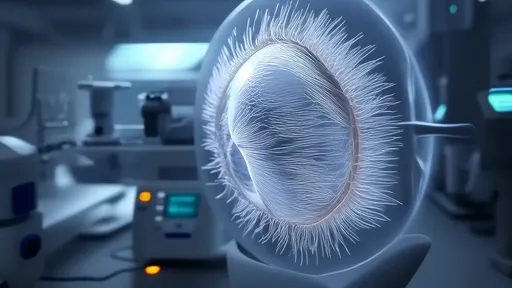
What emerges is a water-soluble protein solution that can be cast into ultra-thin films just 20-30 micrometers thick - comparable to a human cornea's natural thickness. Through precise control of humidity and temperature during drying, researchers create films with the exact optical clarity and light refraction properties needed for vision. The material's nanoporous structure allows oxygen and nutrients to pass through while maintaining structural stability, addressing a critical limitation of previous synthetic corneas.
Perhaps most remarkably, these silk protein films demonstrate exceptional biocompatibility in preclinical trials. Unlike many synthetic polymers that provoke immune responses, the modified silk proteins contain cell-adhesion motifs that promote integration with surrounding ocular tissues. Early animal studies show host cells migrating into the artificial cornea's matrix, gradually remodeling it into living tissue while maintaining optical clarity. This biological integration represents a significant advance over existing prosthetics that remain inert foreign bodies.
The research team, led by Dr. Elena Rodriguez at the Institute for Bioengineering in Barcelona, has successfully implanted these artificial corneas in rabbits with induced corneal blindness. Within eight weeks, the animals regained 85-90% of normal visual acuity without signs of rejection or clouding. Microscopic examination revealed complete epithelialization - the growth of a protective outer cell layer - and nerve regeneration through the implant. These findings, published in Nature Biomedical Engineering, suggest the material actively supports tissue regeneration rather than simply functioning as a passive scaffold.
Scaling up production presents unique challenges. While silkworm farming offers advantages over spider harvesting, current yields remain insufficient for widespread clinical use. The research team has partnered with textile manufacturers in Japan to adapt industrial silk-processing equipment for medical-grade production. Early estimates suggest that one acre of mulberry trees (silkworms' food source) could produce enough protein for 50,000 corneal implants annually - a significant boost to global supply.
Regulatory hurdles also loom. As a genetically modified organism (GMO) product containing both animal-derived components and genetic modifications, the material faces rigorous safety evaluations. The European Medicines Agency has granted the project "orphan medical product" designation to accelerate development for treating rare corneal disorders. Meanwhile, parallel research explores whether the same technology could produce other ocular implants, such as glaucoma drainage devices or retinal patches.
Beyond addressing the donor shortage, this innovation could transform corneal transplantation logistics. Donor corneas currently require strict temperature control and must be transplanted within days. The silk protein films, however, can be stored dehydrated at room temperature for months, then rehydrated before surgery - a game-changer for developing regions with limited cold-chain infrastructure. Military medics have expressed particular interest for battlefield applications.
Ethical considerations accompany this breakthrough. Some patient advocacy groups question the use of genetically modified organisms in medicine, while others raise concerns about potential corporate control over a biological resource. The research team has committed to open-access publication of their genetic modification techniques and established an ethics board including representatives from vision-impaired communities.
Looking ahead, human clinical trials are scheduled to begin in 2025 at centers in Spain, Canada, and Singapore. If successful, this technology could expand beyond corneal applications - preliminary work suggests the material may serve as a scaffold for growing other tissues like skin or cartilage. As Dr. Rodriguez reflects, "We're not just creating a medical device, we're teaching silkworms to spin medicine." This fusion of ancient sericulture with cutting-edge biotechnology may soon restore sight to millions while opening new frontiers in regenerative medicine.

By /Jul 28, 2025
By /Jul 28, 2025

By /Jul 28, 2025
By /Jul 28, 2025

By /Jul 28, 2025
By /Jul 28, 2025

By /Jul 28, 2025

By /Jul 28, 2025

By /Jul 28, 2025

By /Jul 28, 2025
By /Jul 28, 2025

By /Jul 28, 2025

By /Jul 28, 2025
By /Jul 28, 2025

By /Jul 28, 2025

By /Jul 28, 2025
By /Jul 28, 2025

By /Jul 28, 2025

By /Jul 28, 2025

By /Jul 28, 2025
